

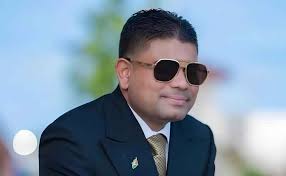
Guyana’s opposition lawmakers have elected businessman Azruddin Mohamed as their new leader, a move that has drawn sharp attention because he is simultaneously fighting extradition to the United States over fraud and money laundering allegations. The vote, held Monday in Georgetown, places a figure under active criminal indictment at the head of the country’s parliamentary opposition.
U.S. prosecutors allege that Mohamed and his father, Nazar Mohamed, conspired to commit fraud and launder money through their gold exporting company, Mohamed’s Enterprise. According to U.S. court filings, the scheme allegedly enriched the family while defrauding the Guyanese state. Both men were indicted in Florida and deny all wrongdoing.
Despite the legal cloud hanging over him, Mohamed described the leadership vote as swift and uncontested. Speaking to reporters after the session, he said the process took only minutes and positioned his election as a mandate to represent the country’s interests. His party, We Invest in Nationhood, entered politics less than a year ago but emerged as the largest opposition bloc after winning 16 of the 65 seats in parliament during elections last September.
Fraud charges and political fallout
The extradition case remains unresolved. Mohamed and his father were briefly detained in October and are now challenging U.S. efforts to have them transferred to face trial. Prosecutors allege the case involves cross-border financial crimes tied to gold exports, a sensitive sector in Guyana’s economy that has long faced scrutiny over oversight and illicit financial flows.
The Guyanese government has voiced concern over Mohamed’s rise within parliament. Officials warned that elevating an opposition leader under indictment could damage the credibility of the legislature. Mohamed, for his part, has accused the government of pursuing him for political reasons following his entry into public life.
His new role does not shield him from the legal process. Authorities have made clear that the position of opposition leader does not confer immunity from extradition or prosecution. As a result, Mohamed now straddles two high-stakes arenas: domestic politics and an international criminal case that could determine his future.
For Guyana, the episode underscores the uneasy intersection of politics, business, and alleged financial crime. For prosecutors in the United States, the case continues to test how fraud and money laundering investigations play out when defendants gain political prominence abroad.