

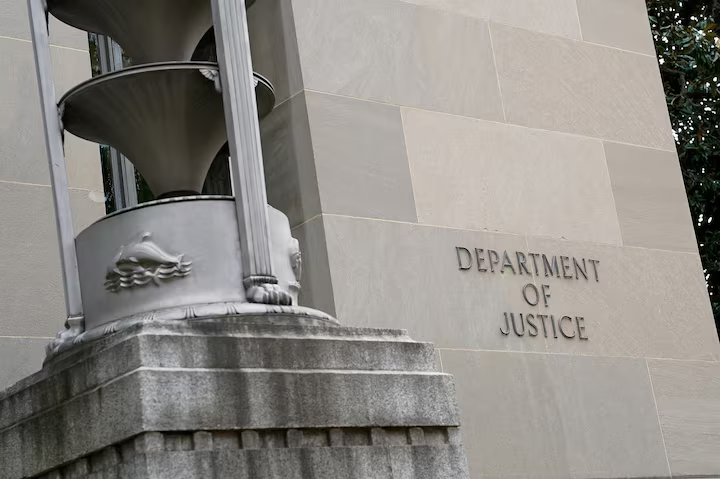
Five affiliates of Kaiser Permanente will pay $556 million to resolve U.S. government claims that they manipulated medical billing to improperly increase Medicare payments. The settlement, announced by the Department of Justice, closes a long-running dispute centered on allegations that doctors were pressured to record diagnoses they had not actually made.
According to federal prosecutors, the affiliates encouraged physicians to add diagnosis codes to patient records in ways that inflated payments under Medicare Advantage, the privately run alternative to traditional Medicare. The government said those practices led to higher reimbursements from public funds, even when the underlying medical conditions had not been identified during patient care.
The settlement resolves two whistleblower lawsuits brought under the False Claims Act. The suits accused Kaiser entities in California and Colorado of submitting false information to Medicare between 2009 and 2018. The Justice Department said the alleged conduct involved systematic efforts to mine patient histories for possible diagnoses and link physician bonuses to meeting coding targets.
Kaiser denied wrongdoing as part of the agreement. In a statement, the company said it chose to settle to avoid the uncertainty and expense of prolonged litigation. It also argued that the dispute reflects broader challenges across the healthcare industry in applying Medicare Advantage risk-adjustment rules.
Whistleblowers and federal scrutiny of Medicare Advantage billing
The case highlights growing federal scrutiny of how private insurers are paid under Medicare Advantage. The program relies on diagnosis codes to determine how much the government pays health plans, with higher payments for sicker patients. Prosecutors said that system creates incentives for abuse when plans push for aggressive coding practices.
The Justice Department emphasized that improper billing harms both taxpayers and beneficiaries. Federal officials said false claims drain billions of dollars from Medicare each year, increasing costs across the healthcare system. As part of the settlement, Kaiser affiliates did not admit liability but agreed to pay one of the largest sums tied to Medicare Advantage enforcement.
The whistleblowers, former Kaiser employees Ronda Osinek and James Taylor, will receive approximately $95 million for bringing the case forward. Under the False Claims Act, individuals who expose fraud against the government may share in any recovery.
The resolution sends a clear signal that federal authorities continue to view Medicare Advantage billing as a high-risk area for fraud enforcement. While Kaiser framed the matter as an industrywide compliance challenge, the size of the settlement underscores the financial and legal exposure health plans face when billing practices cross regulatory lines.